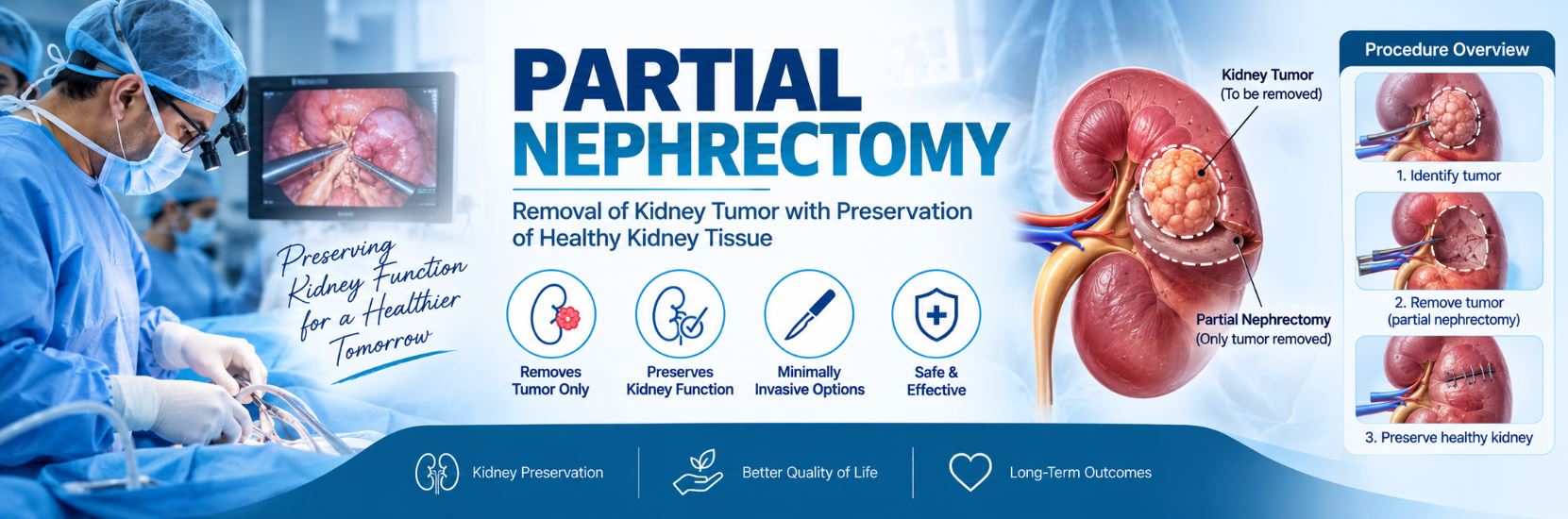
PARTIAL NEPHRECTOMY
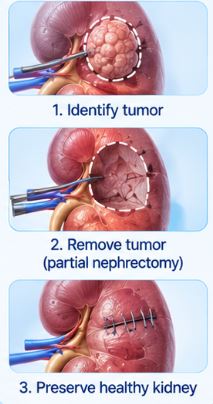
Partial nephrectomy is a kidney-sparing operation used for appropriately selected renal masses. The tumor is removed with a margin while preserving functioning kidney tissue whenever safely possible.
Common Symptoms
Kidney tumors may be found incidentally or may cause blood in urine, flank discomfort or a palpable mass in some cases.
Causes of PARTIAL NEPHRECTOMY
Renal masses can arise from different tumor types; many are detected incidentally on imaging.
Risk Factors
Smoking; obesity; hypertension; family history or inherited syndromes; previous kidney tumors.
Diagnosis
Ultrasound; CT or MRI; blood and urine tests; assessment of kidney function; pathology after surgery.
Treatment Options
Active surveillance or ablation for selected tumors; partial nephrectomy; radical nephrectomy when required.
Benefits of Treatment
Preserves functioning kidney tissue; provides definitive treatment for appropriately selected localized tumors.
Recovery & Aftercare
Recovery varies with surgical approach. Kidney function and imaging follow-up are monitored after surgery.
Prevention
Control blood pressure; avoid smoking; maintain healthy weight; follow recommended cancer surveillance.
Possible Complications
Bleeding; urine leakage; infection; temporary kidney-function changes; need for further treatment in selected cases.
When Should You Consult a Doctor?
You May Also Be Interested In
Explore other advanced urology treatments offered by our clinic.
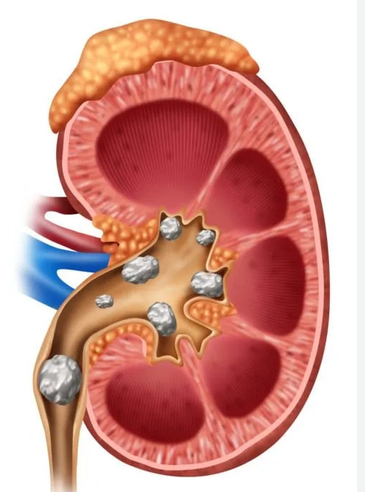
Kidney Stone Treatment
Advanced diagnosis and minimally invasive treatment for kidney stones using Laser Lithotripsy, RIRS, PCNL and other modern techniques with faster recovery.
Read More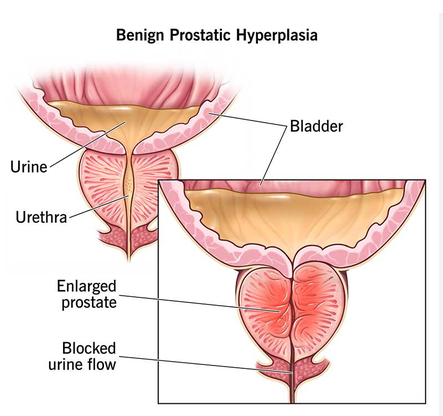
Enlarged Prostate (BPH)
Advanced diagnosis and minimally invasive treatment for Enlarged Prostate (Benign Prostatic Hyperplasia - BPH) using Laser Prostate Surgery, TURP and other modern procedures.
Read More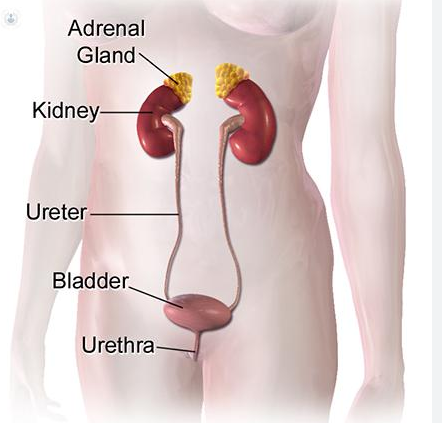
Female Urology
Comprehensive diagnosis and advanced treatment for female urinary disorders including urinary incontinence, recurrent urinary tract infections, overactive bladder, pelvic floor disorders and bladder dysfunction.
Read More