

PENECTOMY
Penectomy may be partial or total depending on the location and extent of disease. The goal is appropriate disease control while preserving function when safely possible.
Common Symptoms
Penile growth or ulcer; persistent sore; bleeding; discharge; pain; change in penile skin or shape.
Causes of PENECTOMY
Penile cancer is uncommon and can arise from abnormal cells of penile tissue.
Risk Factors
Poor genital hygiene; phimosis; HPV infection; smoking; certain inflammatory conditions; increasing age.
Diagnosis
Physical examination; biopsy; imaging and staging investigations when indicated.
Treatment Options
Local treatment; organ-preserving surgery; partial or total penectomy; lymph-node treatment according to stage.
Benefits of Treatment
Appropriate surgical treatment can provide local disease control in selected cancers.
Recovery & Aftercare
Recovery depends on the extent of surgery and cancer treatment. Follow-up is important for recurrence surveillance and urinary function.
Prevention
Avoid smoking; HPV prevention where appropriate; genital hygiene; prompt assessment of persistent lesions.
Possible Complications
Bleeding; infection; wound problems; urinary changes; psychological and sexual effects.
When Should You Consult a Doctor?
You May Also Be Interested In
Explore other advanced urology treatments offered by our clinic.
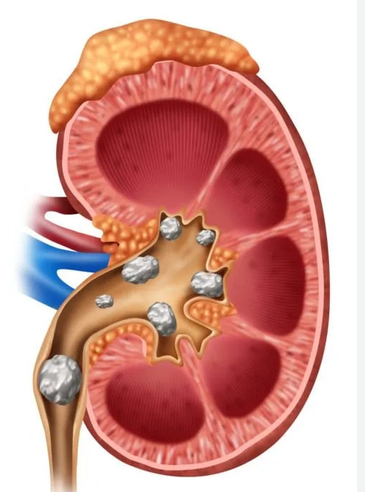
Kidney Stone Treatment
Advanced diagnosis and minimally invasive treatment for kidney stones using Laser Lithotripsy, RIRS, PCNL and other modern techniques with faster recovery.
Read More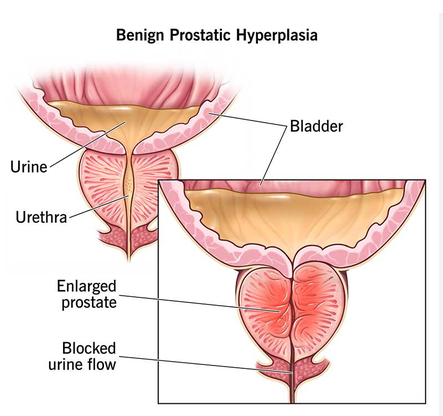
Enlarged Prostate (BPH)
Advanced diagnosis and minimally invasive treatment for Enlarged Prostate (Benign Prostatic Hyperplasia - BPH) using Laser Prostate Surgery, TURP and other modern procedures.
Read More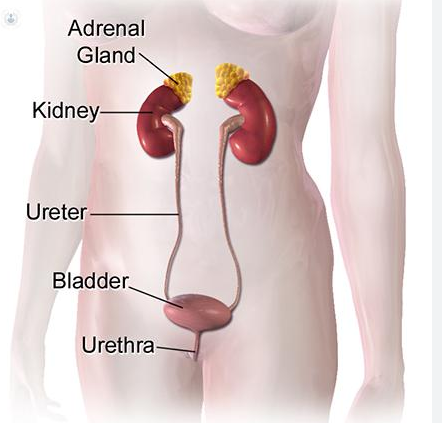
Female Urology
Comprehensive diagnosis and advanced treatment for female urinary disorders including urinary incontinence, recurrent urinary tract infections, overactive bladder, pelvic floor disorders and bladder dysfunction.
Read More